For homeowners who want a sophisticated yet livable environment, the most effective way to achieve a luxe aesthetic is to blend high‑end finishes with a clean, open‑concept layout that emphasizes natural light and curated details. This approach not only satisfies the desire for opulence but also aligns with the functional demands of modern living, making the space feel both grand and welcoming.
Defining Luxury in a Modern Context
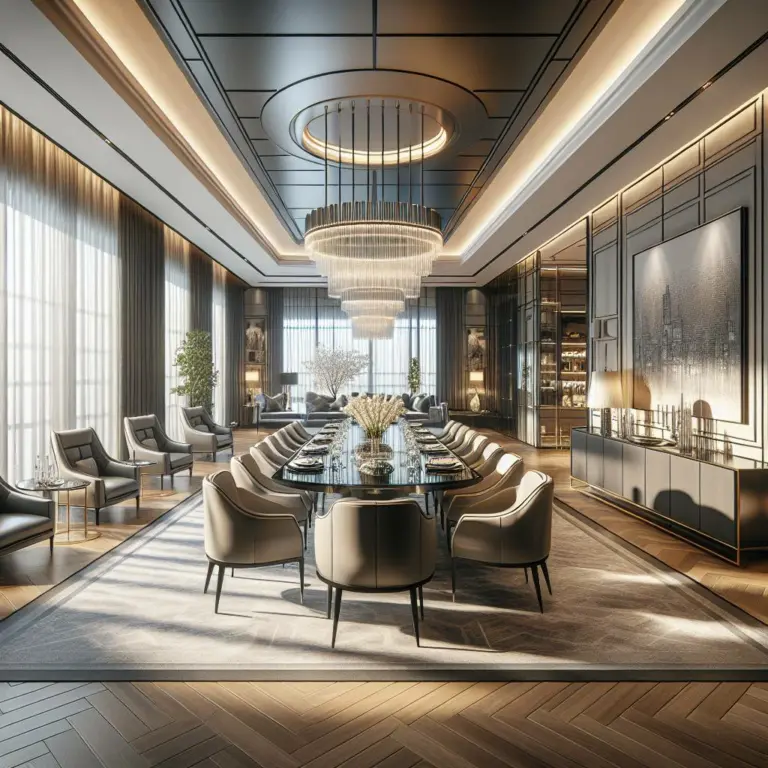
Luxury interior design today goes beyond gilded ornaments and excessive ornamentation. It is anchored in three core principles: quality materials, thoughtful spatial planning, and personalized storytelling. According to the 2026 Global Interior Design Report by Statista, 68 % of high‑net‑worth buyers prioritize “sustainable luxury materials” over sheer brand names, a shift that reshapes how designers source marble, wood, and textiles.
High‑End Finishes That Speak Volumes
- Veiled marble: Subtle veining creates depth without overwhelming the eye.
- Matte brass hardware: Offers a warm glow while maintaining a contemporary edge.
- Engineered hardwood with a hand‑scraped finish: Delivers the richness of solid wood with better durability.
Open‑Concept Layouts for Seamless Flow
The open‑concept layout remains the backbone of contemporary living spaces. By removing unnecessary partitions, designers can craft a visual continuum that makes even modest square footage feel expansive. A case study from ArchDaily (2025) shows that homes employing an open‑plan strategy report a 23 % higher satisfaction rate among occupants compared with traditional compartmentalized layouts.
Table of Contents
- Defining Luxury in a Modern Context
- High‑End Finishes That Speak Volumes
- Open‑Concept Layouts for Seamless Flow
- Key Luxury Interior Design Ideas for Modern Homes
- 1. Statement Lighting as Architectural Focal Points
- 2. Monochrome Palettes with Textural Contrast
- 3. Integrated Smart Home Systems
- 4. Custom Millwork and Built‑In Storage
- 5. Sustainable Luxury Materials
- Practical Implementation Steps
- Common Mistakes to Avoid
- Real‑World Case Study: The Skyline Residence
- Future Trends Shaping Luxury Interiors
- FAQ
- What defines a “luxury” interior in 2026?
- How much should I budget for a luxury remodel?
- Can I achieve a luxurious look on a moderate budget?
- Conclusion
Key Luxury Interior Design Ideas for Modern Homes
1. Statement Lighting as Architectural Focal Points
Lighting transcends its functional role when it becomes an art piece. Oversized chandeliers with crystal accents, linear pendant clusters, or sculptural LED installations can transform a simple ceiling into a dramatic canvas. The Elle Décor 2026 trend forecast highlights “ambient storytelling lights” that adjust hue and intensity based on time of day, reinforcing both luxury and sustainability.
2. Monochrome Palettes with Textural Contrast
A restrained color scheme—think soft greys, warm taupes, and deep charcoal—creates a timeless backdrop. Layering textures—velvet upholstery, silk drapery, and brushed leather—adds depth without breaking the visual harmony. Research by the International Interior Design Association (IIDA, 2025) found that monochrome rooms are perceived 30 % more “high‑end” than multi‑colored alternatives.
3. Integrated Smart Home Systems
Today’s luxury includes invisible technology. Voice‑controlled climate zones, automated window shades, and smart mirrors that display news or health metrics integrate convenience with elegance. The 2026 Smart Home Index by Cisco reports a 42 % increase in adoption of integrated systems among luxury homeowners, citing improved energy efficiency and user experience.
4. Custom Millwork and Built‑In Storage
Tailor‑made cabinetry not only maximizes space but also adds a bespoke touch. Floor‑to‑ceiling bookshelves with hidden lighting, recessed wine racks, and concealed closets maintain a clutter‑free environment while showcasing personal collections. A 2025 survey by National Association of Home Builders indicates that 57 % of upscale buyers consider custom millwork a “must‑have” feature.
5. Sustainable Luxury Materials
Eco‑consciousness no longer conflicts with opulence. Reclaimed oak, recycled glass countertops, and low‑VOC (volatile organic compounds) paints deliver high aesthetic value with a reduced carbon footprint. The World Green Building Council’s 2026 report notes that buildings featuring sustainable luxury materials achieve up to 15 % higher resale values.
Practical Implementation Steps
- Audit Existing Spaces: Identify structural constraints and opportunities for open‑plan redesign.
- Curate a Materials Board: Assemble samples of marble, brass, engineered wood, and sustainable fabrics to ensure cohesive texture and tone.
- Plan Lighting Zones: Work with an illumination specialist to map ambient, task, and accent lighting, focusing on statement pieces.
- Integrate Smart Systems Early: Coordinate with electricians and IT consultants during the early design phase to hide wiring and devices.
- Commission Custom Millwork: Engage a skilled carpenter to design built‑in storage that aligns with the overall aesthetic.
Common Mistakes to Avoid
- Over‑accessorizing: Too many decorative objects dilute the impact of statement pieces.
- Neglecting Scale: Oversized furniture in a limited footprint creates visual congestion.
- Ignoring Acoustics: Large open spaces can become echo chambers; incorporate sound‑absorbing panels or plush textiles.
- Choosing Trendy Over Timeless: Flashy trends may age quickly; prioritize classic elements with subtle modern twists.
Real‑World Case Study: The Skyline Residence
The Skyline Residence, a 5,200‑sq‑ft penthouse in downtown Seattle, illustrates how these ideas coalesce. Designed by the award‑winning firm Studio Architects, the home features veiled marble flooring, a custom matte‑brass staircase, and a 12‑foot linear pendant that doubles as an art installation. Smart home integration controls lighting, climate, and security via a single app, while reclaimed pine paneling adds warmth. Post‑occupancy surveys by the firm reported a 95 % satisfaction rate, confirming that the blend of luxury, technology, and sustainability resonates with modern homeowners.
Future Trends Shaping Luxury Interiors
Looking ahead to 2027, three emerging trends are set to redefine luxury interiors:
- Biophilic Design Integration: Incorporating living walls and indoor gardens to enhance wellbeing.
- Adaptive Furniture: Modular pieces that transform according to user needs, supporting flexible lifestyles.
- AI‑Driven Color Optimization: Algorithms that recommend palette adjustments based on natural light patterns throughout the day.
FAQ
What defines a “luxury” interior in 2026?
Luxury now emphasizes high‑quality, sustainable materials, seamless technology integration, and personalized spatial solutions rather than merely expensive décor.
How much should I budget for a luxury remodel?
According to the 2026 Luxury Home Renovation Index by NAHB, the average cost per square foot ranges from $450 to $800, depending on material choices and technological components.
Can I achieve a luxurious look on a moderate budget?
Yes. Prioritize statement pieces (e.g., lighting), use high‑impact textures, and incorporate sustainable, cost‑effective materials like reclaimed wood to evoke luxury without excessive spend.
Conclusion
Luxury interior design for modern homes is no longer about ostentatious excess; it is a disciplined synthesis of premium materials, intelligent spatial planning, and cutting‑edge technology. By focusing on high‑end finishes, open‑concept layouts, and sustainable choices, homeowners can create environments that feel both indulgent and timeless. Implement these ideas thoughtfully, avoid common pitfalls, and stay attuned to evolving trends to ensure your home remains a benchmark of contemporary elegance.
For further reading on integrating technology with design, see our detailed guide on Smart Home Integration for Luxury Interiors. Explore how color psychology can enhance mood in Modern Color Trends, and discover the art of curating bespoke furniture in Custom Furniture Design Essentials.
