Homeowners who want to maximize resale price must prioritize design decisions that resonate with modern buyers; the most effective way to do this is by adopting interior design trends that demonstrably lift property value. Research from the National Association of Realtors (NAR) 2026 Home Buyer Trends Report shows that 78 % of prospective purchasers rank interior aesthetics as a top‑three factor when evaluating a home, and properties featuring the latest design upgrades can command up to a 12 % premium over comparable listings. Integrating smart‑home technology, sustainable materials, and timeless visual cues not only enhances daily living but also translates directly into higher market appraisal.
Why Interior Design Affects Home Value
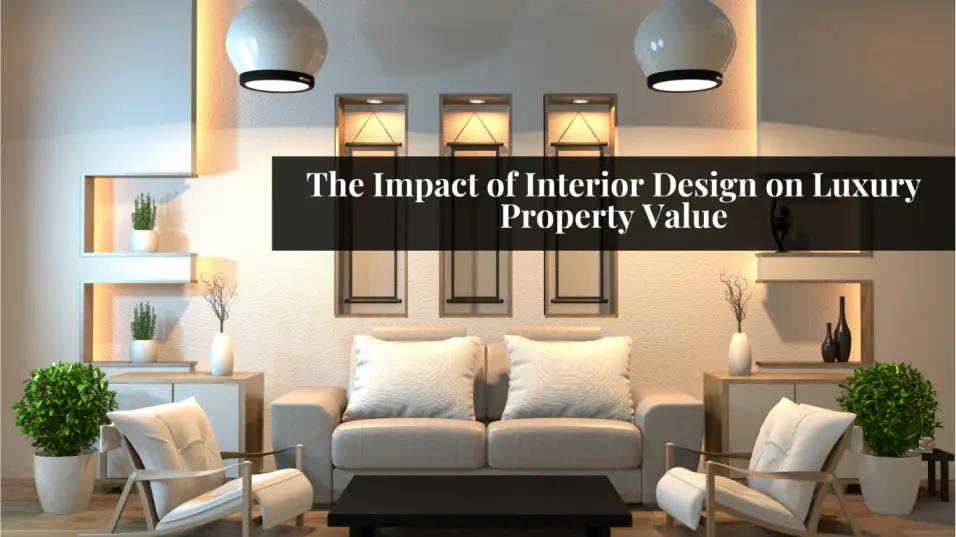
Real estate appraisal models increasingly rely on quantifiable “design scores” that reflect a home’s visual appeal, functionality, and energy efficiency. According to a 2025 study by Zillow Research, homes with updated interior finishes sell 5‑7 % faster and often exceed the asking price by an average of $15,000 in median markets. The underlying reasons are twofold:
- First‑impression impact: Buyers form an emotional connection within the first 60 seconds of stepping inside; contemporary aesthetics trigger perceived quality.
- Long‑term utility: Features such as energy‑efficient lighting or integrated home automation reduce operating costs, which buyers factor into their total cost of ownership.
For homeowners aiming to leverage these dynamics, the challenge lies in selecting trends that balance timelessness with market relevance. Below is a data‑driven guide to the 2026 design movements that consistently raise home resale value.
Table of Contents
- Why Interior Design Affects Home Value
- 2026 Interior Design Trends That Increase Home Value
- 1. Neutral Color Palettes with Warm Undertones
- 2. Biophilic Design and Indoor‑Outdoors Flow
- 3. Smart Home Integration
- 4. Sustainable and Eco‑Friendly Materials
- 5. Open‑Plan Layouts with Flexible Zoning
- 6. High‑End Kitchen Remodels
- 7. Statement Lighting Fixtures
- Practical Steps to Implement Value‑Boosting Design
- Phase 1: Assessment & Budgeting
- Phase 2: Execution
- Phase 3: Staging & Marketing
- Common Pitfalls to Avoid
- FAQ – Frequently Asked Questions
- Does a smart thermostat really increase home value?
- How much should I spend on a kitchen remodel to see a return?
- Are sustainable materials worth the extra cost?
- What’s the best way to incorporate biophilic design on a budget?
- How does open‑plan living affect resale in small homes?
- Conclusion: Design as an Investment Strategy
2026 Interior Design Trends That Increase Home Value
1. Neutral Color Palettes with Warm Undertones
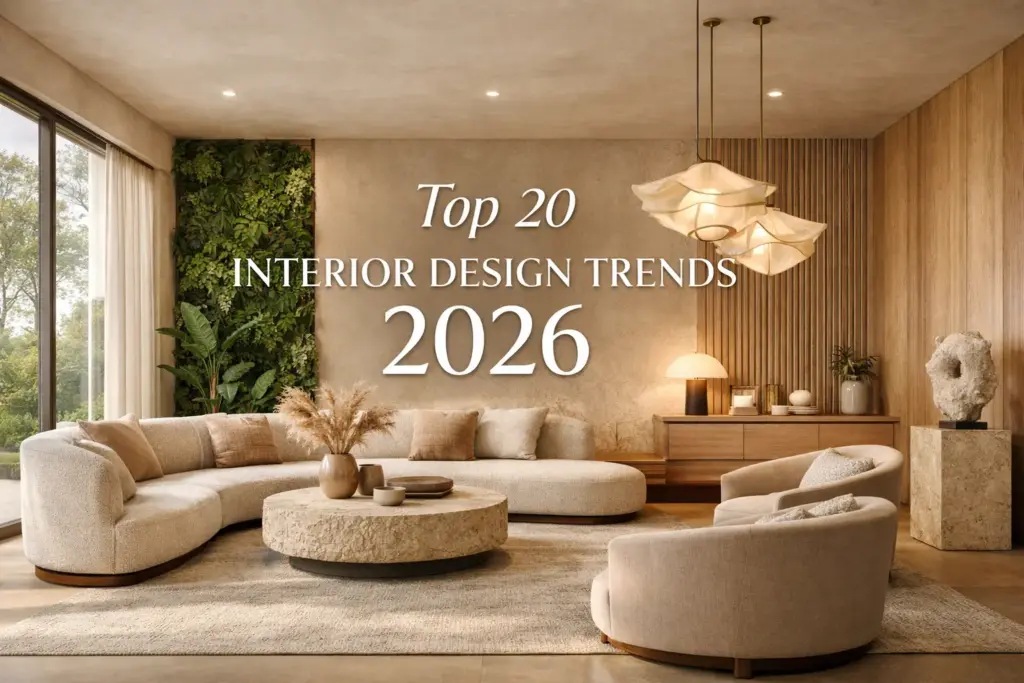
Neutral hues—soft greys, warm beiges, and muted taupes—remain the safest bet for broad buyer appeal. A 2025 survey by the Paint Manufacturers Association (PMA) indicated that 64 % of buyers prefer a neutral backdrop because it eases the process of personalizing the space. Pairing these colors with natural wood accents creates depth without overwhelming the eye, making rooms feel larger and more inviting.
2. Biophilic Design and Indoor‑Outdoors Flow
Integrating nature through plant walls, large windows, and natural textures satisfies the growing consumer desire for wellness‑focused environments. The International Living Future Institute reported a 23 % increase in home valuations where biophilic elements were present, attributing the uplift to perceived health benefits and enhanced aesthetic quality. Practical applications include:
- Strategic placement of low‑maintenance indoor plants.
- Floor‑to‑ceiling glazing that blurs the line between interior and garden.
- Use of reclaimed wood and stone to reinforce organic connections.
3. Smart Home Integration
Smart thermostats, lighting controls, and security systems have moved from novelty to expectation. According to the Consumer Technology Association (CTA) 2026 Smart Home Index, homes equipped with integrated automation see an average price uplift of 3‑5 % and a reduction in utility costs of up to 20 %. When planning upgrades, focus on interoperable platforms (e.g., Apple HomeKit, Google Nest) that allow seamless device communication.
For a deeper dive on how to blend technology with style, see our Smart Home Interior Design Ideas and Technology Integration – 2026 Expert Guide.
4. Sustainable and Eco‑Friendly Materials
Eco‑conscious buyers are willing to pay a premium for homes that demonstrate reduced environmental impact. A 2025 report by the U.S. Green Building Council (USGBC) found that properties with certified sustainable materials command a 7 % price advantage. Prioritize:
- Low‑VOC paints and finishes.
- Recycled glass countertops and bamboo flooring.
- Insulation made from reclaimed denim or cellulose.
Our Sustainable Interior Design Ideas for Modern Living article offers additional case studies on cost‑effective green upgrades.
5. Open‑Plan Layouts with Flexible Zoning
While open floor plans remain popular, buyers now seek adaptable spaces that can serve multiple functions—home office, gym, or guest suite—without sacrificing flow. The 2026 Real Estate Market Forecast from CoreLogic indicates that homes featuring “flex zones” sell 4 % faster than traditional closed‑off layouts. Design tips include:
- Sliding barn doors that conceal a work area when needed.
- Modular furniture that can be reconfigured for entertaining or quiet work.
- Strategic lighting layers to delineate zones without erecting walls.
6. High‑End Kitchen Remodels
The kitchen remains the heart of home value calculations. A 2026 Kitchen Remodeling Index from the National Kitchen & Bath Association (NKBA) shows that a mid‑range kitchen remodel yields a 70 % return on investment, while a high‑end upgrade can exceed 100 % ROI in luxury markets. Focus on:
- Quartz or slab stone countertops for durability and visual impact.
- Smart appliances—Wi‑Fi enabled refrigerators, induction cooktops, and voice‑controlled ovens.
- Custom cabinetry with soft‑close hardware and integrated lighting.
7. Statement Lighting Fixtures
Lighting is both functional and artistic; a well‑chosen chandelier or pendant can become the room’s focal point. Data from the Lighting Research Center (2025) shows that homes with layered lighting schemes experience a 2‑3 % price increase because they showcase a higher level of design sophistication. Consider dimmable LEDs, motion‑sensing fixtures, and sculptural pieces that reflect the home’s overall style.
Practical Steps to Implement Value‑Boosting Design
Transforming a property from “average” to “market‑ready” requires a systematic approach. Follow this three‑phase plan to ensure budget discipline and maximal ROI.
Phase 1: Assessment & Budgeting
- Conduct a design audit: Walk through each room and note outdated finishes, lighting gaps, and opportunities for tech integration.
- Use a cost calculator: Our Interior Design Cost Calculator for Home Renovation helps estimate expenses and prioritize projects based on projected value increase.
- Set a realistic budget: Allocate 10‑15 % of the anticipated resale price to design upgrades; this ceiling ensures you don’t over‑invest.
Phase 2: Execution
- Hire a certified interior designer who specializes in resale‑oriented projects. The Best Interior Design Services Near Me guide lists vetted professionals.
- Start with high‑impact, low‑cost changes—paint, lighting, and hardware—before moving to structural alterations.
- Integrate smart devices in tandem with electrical work to avoid retrofitting costs later.
Phase 3: Staging & Marketing
Once renovations are complete, stage the home with minimal yet elegant furnishings that highlight the new features. According to the 2025 Home Staging Effectiveness Study by the Real Estate Staging Association (RESA), staged homes sell 73 % faster and often achieve 6 % higher offers than non‑staged counterparts.
Common Pitfalls to Avoid
Even with a clear plan, missteps can erode the anticipated value gain.
- Over‑personalization: Bold murals or overly thematic rooms may alienate buyers; stick to neutral backdrops and allow buyers to envision their own style.
- Neglecting the exterior: Curb appeal accounts for up to 30 % of purchase decisions; ensure the façade, landscaping, and entryway align with interior upgrades.
- Choosing trends without longevity: While neon accents were hot in 2022, they are now considered dated. Prioritize timeless elements like quality materials and classic silhouettes.
FAQ – Frequently Asked Questions
Does a smart thermostat really increase home value?
Yes. The CTA 2026 Smart Home Index reports a 3‑5 % price uplift for homes featuring energy‑saving automation, with added appeal for eco‑conscious buyers.
How much should I spend on a kitchen remodel to see a return?
A mid‑range remodel (approximately 7‑10 % of the home’s value) typically yields a 70 % ROI, while high‑end upgrades can exceed a 100 % return in luxury markets, according to NKBA data.
Are sustainable materials worth the extra cost?
Data from USGBC 2025 shows a 7 % price premium for homes using certified eco‑materials. Moreover, lower utility bills and reduced maintenance costs further enhance overall value.
What’s the best way to incorporate biophilic design on a budget?
Start with affordable indoor plants, add a living wall panel, and maximize natural light through larger windows or skylights. These steps deliver the biophilic benefit without major structural changes.
How does open‑plan living affect resale in small homes?
Flex zones increase perceived square footage and adaptability, which is especially valuable in compact properties. CoreLogic’s 2026 forecast notes a 4 % faster sale velocity for homes with thoughtfully designed flexible spaces.
Conclusion: Design as an Investment Strategy
In 2026, interior design has solidified its role as a measurable asset driver rather than mere decoration. By embracing neutral color schemes, biophilic elements, smart home integration, sustainable materials, and flexible layouts, homeowners can realistically expect a 5‑12 % boost in market value while also enhancing everyday livability. The key to success lies in data‑backed planning, disciplined budgeting, and collaboration with seasoned design professionals. When executed strategically, these trends turn aesthetic upgrades into a tangible financial advantage.
