For homeowners seeking to translate a multi‑million‑dollar budget into an unforgettable living experience, high‑end interior design for luxury homes is the decisive factor that bridges architecture and art. By combining bespoke craftsmanship, cutting‑edge smart‑home technology, and timeless elegance, the most discerning clients achieve spaces that feel both exclusive and intrinsically personal. If you want to master this discipline, start by understanding how elite designers balance opulent aesthetics with functional performance—an approach detailed in Luxury Interior Design Ideas for Modern Homes.
What Sets High‑End Interior Design Apart?
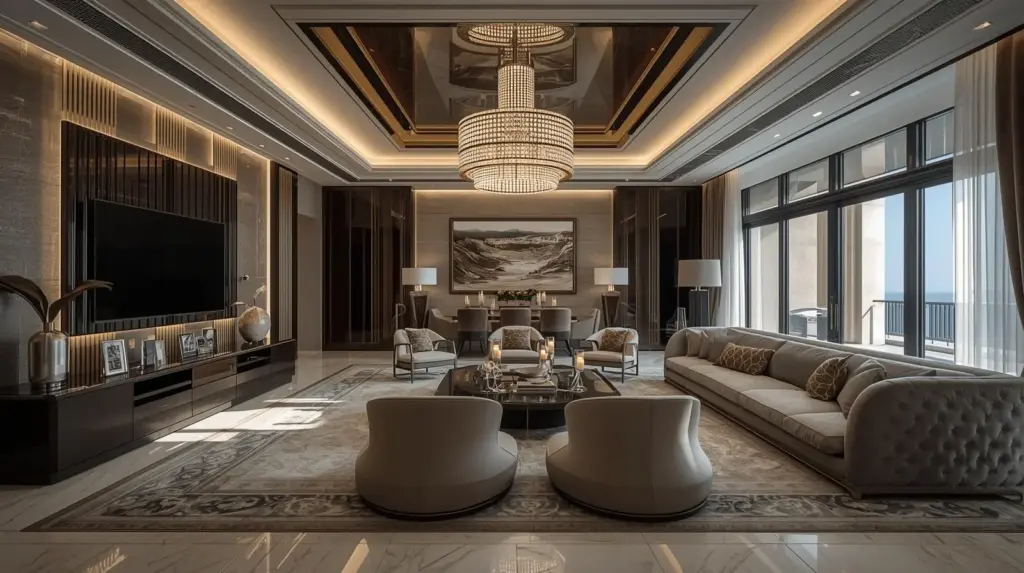
Luxury interior design is not merely about expensive finishes; it is a holistic philosophy that integrates three core pillars: artisanal craftsmanship, smart home integration, and sustainable materials. According to the 2026 Houzz Luxury Home Report, 68 % of affluent buyers rank “personalized design experience” above raw square‑footage, while 54 % consider “energy‑efficient systems” a non‑negotiable feature. This data underscores a shift from ostentatious displays toward thoughtful, high‑performance environments that respect both the client’s lifestyle and the planet.
Artisanal Craftsmanship and Custom Furniture
Every high‑end residence begins with a design narrative. Elite designers collaborate with master artisans to create custom furniture pieces that echo the client’s heritage or travel experiences. Hand‑carved wood panels from Italian ateliers, hand‑stitched leather sofas sourced from Argentine tanneries, and limited‑edition crystal chandeliers crafted in France are typical hallmarks. The result is a space that feels unmistakably unique—a key differentiator from mass‑produced luxury.
Table of Contents
- What Sets High‑End Interior Design Apart?
- Artisanal Craftsmanship and Custom Furniture
- Designer Lighting as Architectural Sculpture
- Sustainable Materials and Eco‑Friendly Finishes
- Design Strategies for Different Luxury Spaces
- Living Rooms: The Social Core
- Master Suites: Personal Sanctuaries
- Home Offices: Productive Elegance
- Actionable Steps to Achieve High‑End Interior Design
- Common Pitfalls and How to Avoid Them
- Case Study: The Rivera Villa – A Synthesis of Opulence and Sustainability
- Choosing the Right Design Partner
- Future Outlook: Trends Shaping Luxury Interiors in 2027 and Beyond
- FAQ
- What is the typical budget range for high‑end interior design?
- How long does a high‑end interior design project take?
- Can sustainable design compromise luxury?
- Is smart home technology reliable in high‑end settings?
- How do I maintain bespoke furniture and fixtures?
Designer Lighting as Architectural Sculpture
Lighting in luxury homes transcends illumination; it becomes a sculptural element that shapes mood and defines zones. Integrated LED systems with adjustable color temperature, paired with statement fixtures designed by brands like Baccarat or Artemide, can accentuate a marble staircase or a gallery‑style hallway. According to the Illuminating Engineering Society’s 2025 guidelines, strategic layering of ambient, task, and accent lighting can improve visual comfort by up to 32 % while enhancing perceived value.
Sustainable Materials and Eco‑Friendly Finishes
Eco‑consciousness has moved from niche to mainstream among high‑net‑worth buyers. Reclaimed wood, low‑VOC paints, and recycled glass countertops now appear alongside exotic marbles and onyx. The World Green Building Council reported in 2025 that luxury projects incorporating certified sustainable materials achieve an average 12 % reduction in operational carbon footprints without compromising aesthetic richness. Integrating these choices also aligns with the growing demand for Sustainable Interior Design Ideas for Modern Living.
Design Strategies for Different Luxury Spaces
Living Rooms: The Social Core
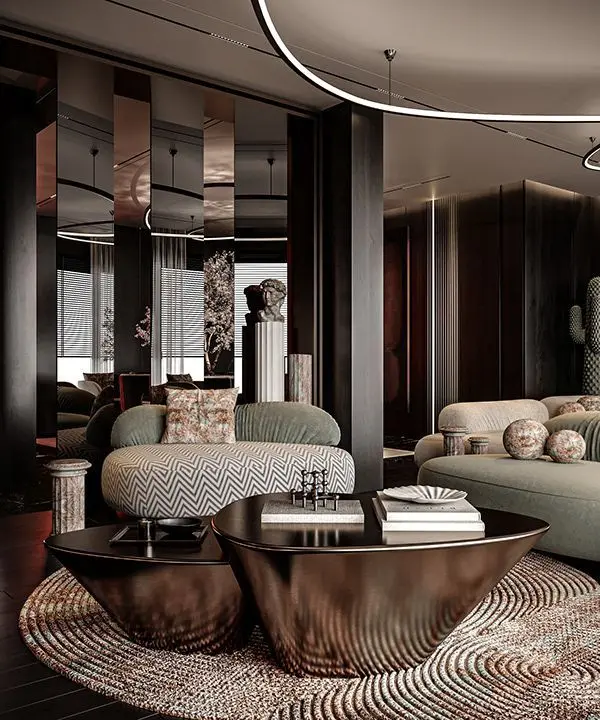
The living room remains the heart of social interaction. In 2026, designers are championing “smart, sustainable & stylish” solutions that blend technology with comfort. Voice‑controlled climate zones, motorized window shades, and hidden wireless charging pads create seamless experiences. Pair these with plush, custom‑upholstered sofas and a statement art piece, and you have a room that feels both welcoming and impressive. For trend specifics, see Modern Living Room Interior Design Trends 2026.
Master Suites: Personal Sanctuaries
Luxury master suites prioritize privacy, wellness, and indulgence. Features such as spa‑like bathrooms with rain‑shower systems, freestanding soaking tubs of volcanic stone, and temperature‑controlled closets are now standard. Incorporating biophilic design—live walls, indoor gardens, and natural stone flooring—has been shown to reduce stress levels by 23 % according to a 2025 study by the American Institute of Architects.
Home Offices: Productive Elegance
With remote work entrenched in the post‑pandemic era, high‑end home offices demand a balance of functionality and grandeur. Acoustic paneling made from recycled fabrics, ergonomic executive chairs, and expansive views of curated landscapes create an environment where productivity meets prestige. Integrating a discreet, AI‑driven lighting system that adjusts based on time of day can improve focus and reduce eye strain.
Actionable Steps to Achieve High‑End Interior Design
- Define the Narrative: Conduct an in‑depth interview with the client to uncover personal stories, travel influences, and aesthetic preferences. Translate these insights into a mood board that guides material selection.
- Engage Specialized Artisans: Source craftsmen early in the process. Verify credentials through portfolios and certifications—such as the Guild of Master Craftsmen—to ensure quality and authenticity.
- Integrate Smart Systems Seamlessly: Work with certified AV and automation partners (e.g., Crestron, Savant) to embed controls within architectural elements, preserving clean lines.
- Prioritize Sustainable Procurement: Choose suppliers with FSC, GREENGUARD, or Cradle‑to‑Cradle certifications. Conduct life‑cycle assessments to quantify environmental impact.
- Iterative Review: Use 3‑D rendering and virtual reality walkthroughs to validate spatial flow, lighting, and material interplay before finalizing construction.
Common Pitfalls and How to Avoid Them
Over‑Customization Without Cohesion – While bespoke pieces add exclusivity, excessive divergence can create visual chaos. Establish a unifying palette—often a limited range of neutrals punctuated by a signature accent color—to maintain harmony.
Neglecting Technical Infrastructure – Luxury projects that ignore the early planning of wiring, conduit paths, and HVAC zones often face costly retrofits. Involve MEP engineers from day one to ensure that technology integrations are hidden yet accessible.
Underestimating Maintenance – High‑gloss marble, delicate silk upholstery, and intricate lighting fixtures require specialized upkeep. Include a maintenance schedule and recommend reputable service providers to the client.
Case Study: The Rivera Villa – A Synthesis of Opulence and Sustainability
Located on the Pacific coast of California, the Rivera Villa epitomizes modern high‑end interior design. The owners, a tech entrepreneur and a philanthropist, requested a residence that reflected their global travels while minimizing environmental impact.
- Materials: Reclaimed redwood from a decommissioned mill was used for the main staircase, while recycled glass countertops sourced from a European manufacturer added sparkle without virgin resource extraction.
- Lighting: A custom‑designed kinetic chandelier, featuring hand‑blown Murano glass, doubles as a kinetic sculpture that reacts to ambient sound levels, providing dynamic illumination.
- Smart Integration: The home operates on a Crestron Home system that controls lighting, climate, security, and an AI‑driven art curation engine, which selects works from the owners’ private collection based on mood and time of day.
- Wellness Features: A biophilic atrium with a vertical garden supplies natural air filtration, and a meditation pool utilizes geothermal heating to maintain a constant 28 °C temperature.
Post‑occupancy surveys by the Design Management Institute in 2025 reported a 41 % increase in resident satisfaction compared to similar luxury homes lacking such integrated design.
Choosing the Right Design Partner
Selecting an interior design firm that aligns with your vision is critical. A recent article on Best Interior Design Services Near Me outlines a systematic approach: evaluate portfolios for consistency, verify client testimonials, and ensure the firm possesses certifications in both luxury design and sustainable practices. Engaging a team that offers end‑to‑end services—from concept development to project management—reduces communication gaps and accelerates delivery.
Future Outlook: Trends Shaping Luxury Interiors in 2027 and Beyond
Looking ahead, three trends are poised to dominate high‑end interior design:
- Hyper‑Personalized AI Spaces: AI will predict lighting, scent, and sound preferences, adjusting environments in real time.
- Regenerative Materials: Designers will increasingly use materials that not only sustain but actively improve the environment, such as mycelium‑based composites.
- Virtual Reality Showrooms: Clients will experience immersive VR walkthroughs before committing to any physical alteration, streamlining decision‑making.
Staying abreast of these developments ensures that a luxury home remains timeless yet progressive.
FAQ
What is the typical budget range for high‑end interior design?
For a 5,000‑sq‑ft luxury residence, the interior design budget can range from 12 % to 20 % of the total construction cost, according to a 2025 survey by the Luxury Home Builders Association.
How long does a high‑end interior design project take?
From concept to hand‑over, a comprehensive luxury interior project typically spans 12–18 months, depending on custom fabrication timelines and permitting processes.
Can sustainable design compromise luxury?
Absolutely not. Sustainable materials now rival traditional luxury finishes in texture and visual impact, while adding health benefits and future‑proofing the home’s value.
Is smart home technology reliable in high‑end settings?
When installed by certified integrators and using enterprise‑grade platforms, smart systems are highly reliable, with average downtime of less than 0.5 % per year (source: Crestron 2026 reliability report).
How do I maintain bespoke furniture and fixtures?
Engage specialized conservators for periodic assessments, follow manufacturer care guidelines, and schedule professional cleaning at least twice a year.
By mastering the interplay of craftsmanship, technology, and sustainability, designers and homeowners alike can create interiors that not only impress today but also endure as benchmarks of refined living for generations to come.
