For homeowners and business owners who need expert advice without leaving their sofa, the most efficient route is an Interior Design Consultation Online. This digital service delivers professional space planning, material selection, and aesthetic guidance through video calls, 3‑D renderings, and collaborative mood boards, allowing you to transform any area while staying within budget and timeline constraints.
Why Online Design Consultation Has Become Essential in 2026
According to the 2025 Global Interior Design Survey by the International Interior Design Association (IIDA), 68% of clients preferred remote consultations because they cut travel costs and accelerated decision‑making. The pandemic accelerated the adoption of virtual tools, and the trend has persisted as technology matured. Today, platforms integrate real‑time 3‑D modeling, AI‑driven style suggestions, and secure file sharing, making the remote experience as rich as an in‑person meeting.
How the Virtual Consultation Process Works
1. Initial Intake and Goal Definition
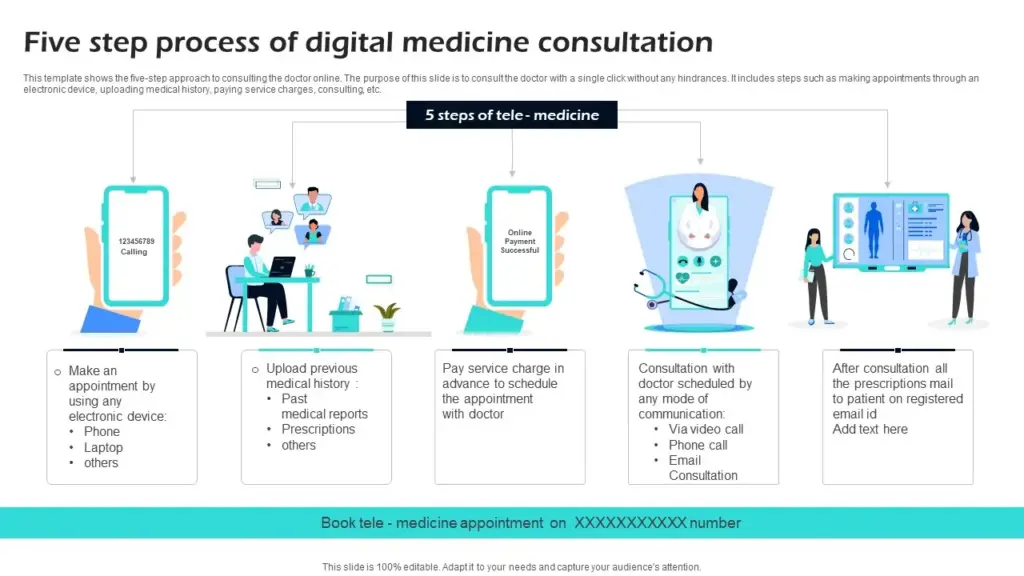
The first step is a detailed questionnaire where you outline project scope, style preferences, budget, and functional needs. A well‑crafted brief is the foundation of a successful outcome; it enables the designer to prepare a tailored proposal before the live session.
Table of Contents
- Why Online Design Consultation Has Become Essential in 2026
- How the Virtual Consultation Process Works
- 1. Initial Intake and Goal Definition
- 2. Live Video Walk‑through
- 3. Digital Mood Board & Concept Development
- 4. 3‑D Renderings and Layout Options
- 5. Specification Pack & Procurement Guidance
- Key Benefits of Choosing an Online Consultation
- Case Study: Revamping a 600‑sq‑ft Studio Apartment
- Integrating Smart Home Technology into Online Designs
- Common Pitfalls and How to Avoid Them
- Insufficient Briefing
- Overlooking Technical Constraints
- Neglecting Budget Tracking
- Future Outlook: AI‑Enhanced Design Consultations
- FAQ – Quick Answers for Prospective Clients
- Choosing the Right Online Interior Designer
- Conclusion
2. Live Video Walk‑through
Using Zoom, Teams, or proprietary platforms, the designer tours your space virtually, asks clarifying questions, and notes architectural constraints. This real‑time interaction mimics an on‑site visit but saves travel time and allows immediate visual feedback.
3. Digital Mood Board & Concept Development
Within 48 hours, the designer shares a collaborative mood board—often built in tools like Milanote or Canva—featuring color palettes, material swatches, and inspirational images. Clients can comment directly, ensuring the concept aligns with their vision.
4. 3‑D Renderings and Layout Options
Advanced rendering engines (e.g., SketchUp, Autodesk Revit) generate photorealistic images of proposed layouts. These visualizations help clients evaluate furniture placement, lighting schemes, and finishes before any purchase is made.
5. Specification Pack & Procurement Guidance
Once the design is approved, the designer delivers a comprehensive specification pack that lists product sources, cost estimates, and installation instructions. For budgeting accuracy, many clients pair this with an Interior Design Cost Calculator for Home Renovation, which automates expense forecasting based on the selected materials.
Key Benefits of Choosing an Online Consultation
- Cost Efficiency: Remote sessions reduce consultant fees by up to 30% compared with traditional on‑site services.
- Time Savings: Turnaround from brief to final render typically takes 2–3 weeks, versus 4–6 weeks for in‑person projects.
- Access to Global Talent: You can hire a specialist from any region, expanding your design vocabulary beyond local trends.
- Sustainable Choices: Digital mock‑ups limit material waste, and many online designers prioritize eco‑friendly sourcing, aligning with the Sustainable Interior Design Ideas for Modern Living movement.
Case Study: Revamping a 600‑sq‑ft Studio Apartment
Emily, a freelance graphic designer living in Jakarta, needed to maximize storage and create a work‑friendly environment without a major renovation budget. She engaged a remote interior designer who followed the standard online workflow. After the intake questionnaire highlighted her need for a “compact, multifunctional layout,” the designer presented three layout options using a 3‑D floor plan.
The chosen solution incorporated built‑in wall shelving, a fold‑away desk, and a neutral palette with teal accents. By referencing the Small Apartment Interior Design Solutions article, Emily ensured the recommendations were space‑saving and sustainable. The final cost estimate, generated through the cost calculator, stayed 12% below her original budget, and the project was completed within six weeks—all coordinated through video calls and digital file exchanges.
Integrating Smart Home Technology into Online Designs
Modern interior design now often overlaps with home automation. During an online consultation, designers can recommend smart lighting systems (e.g., Philips Hue), voice‑controlled blinds, and integrated HVAC controls that are compatible with the selected aesthetic. These recommendations are visualized within the 3‑D rendering, allowing clients to see how technology integrates seamlessly with style.
Common Pitfalls and How to Avoid Them
Insufficient Briefing
Clients who provide vague preferences often experience multiple revision cycles. To avoid this, allocate dedicated time to complete the questionnaire thoroughly and share inspiration images up front.
Overlooking Technical Constraints
Even with digital tools, structural limitations—such as load‑bearing walls or ventilation requirements—must be respected. A qualified designer will request architectural plans or conduct a virtual measurement session to ensure feasibility.
Neglecting Budget Tracking
Without a systematic budgeting approach, costs can balloon. Pairing the design package with a budgeting tool like the Interior Design Cost Calculator helps maintain financial control throughout the project.
Future Outlook: AI‑Enhanced Design Consultations
By late 2026, AI algorithms are being integrated into consultation platforms to auto‑generate style suggestions based on a client’s uploaded photos. Early adopters report a 20% reduction in design iteration time. While AI assists with trend analysis, human expertise remains crucial for nuanced decisions, especially in luxury or culturally specific projects.
FAQ – Quick Answers for Prospective Clients
- What technology do I need for an online interior design consultation?
- A stable broadband connection, a webcam, and access to a collaborative platform (Zoom, Microsoft Teams, or the designer’s proprietary portal) are sufficient. Many designers also provide a secure client portal for file sharing.
- Can I hire an online designer for a commercial space?
- Yes. The process mirrors residential projects, though commercial briefs often require additional documentation, such as code compliance and branding guidelines.
- How do I ensure the selected materials are sustainable?
- Ask your designer to reference eco‑friendly certifications (e.g., FSC for wood, GREENGUARD for indoor air quality) and consult resources like the Sustainable Interior Design Ideas for Modern Living guide.
- Is an online consultation suitable for large‑scale renovations?
- Absolutely, provided the designer coordinates with local contractors and obtains necessary permits. Virtual meetings can still handle complex layouts and material selections.
- What if I’m not satisfied with the initial design concepts?
- Most firms offer a set number of revisions within the contract. Clear communication during the intake stage minimizes dissatisfaction.
Choosing the Right Online Interior Designer
When vetting potential partners, consider the following criteria:
- Portfolio Relevance: Look for projects similar in scale and style to yours. The Modern Living Room Interior Design Trends 2026 article showcases current aesthetics that may align with your vision.
- Credentials and Experience: Verify professional certifications (e.g., NCIDQ) and years of practice.
- Transparent Pricing: A clear breakdown of fees—including consultation, revisions, and procurement assistance—prevents hidden costs.
- Client Reviews: Testimonials and case studies provide insight into reliability and communication style.
By following these guidelines, you can harness the convenience of Interior Design Consultation Online while achieving a cohesive, functional, and stylish environment.
Conclusion
The shift toward digital design services is not a temporary fad; it is a lasting evolution that combines expertise, technology, and sustainability. Whether you are renovating a single room, outfitting a compact studio, or planning a luxury home makeover, an online interior design consultation offers a cost‑effective, time‑saving, and environmentally conscious pathway to realizing your vision. Embrace the future of design—schedule your virtual consultation today and turn your space into a curated masterpiece.
