To secure a designer who can translate opulent vision into a livable masterpiece, you must prioritize firms with proven expertise in high‑end residential projects, a portfolio of award‑winning work, and the ability to blend timeless elegance with cutting‑edge technology. This guide distills the essential criteria, showcases the most sought‑after studios in 2026, and explains how to evaluate a designer’s capacity to deliver a truly luxurious home.
What Defines a Top‑Tier Luxury Residential Designer?
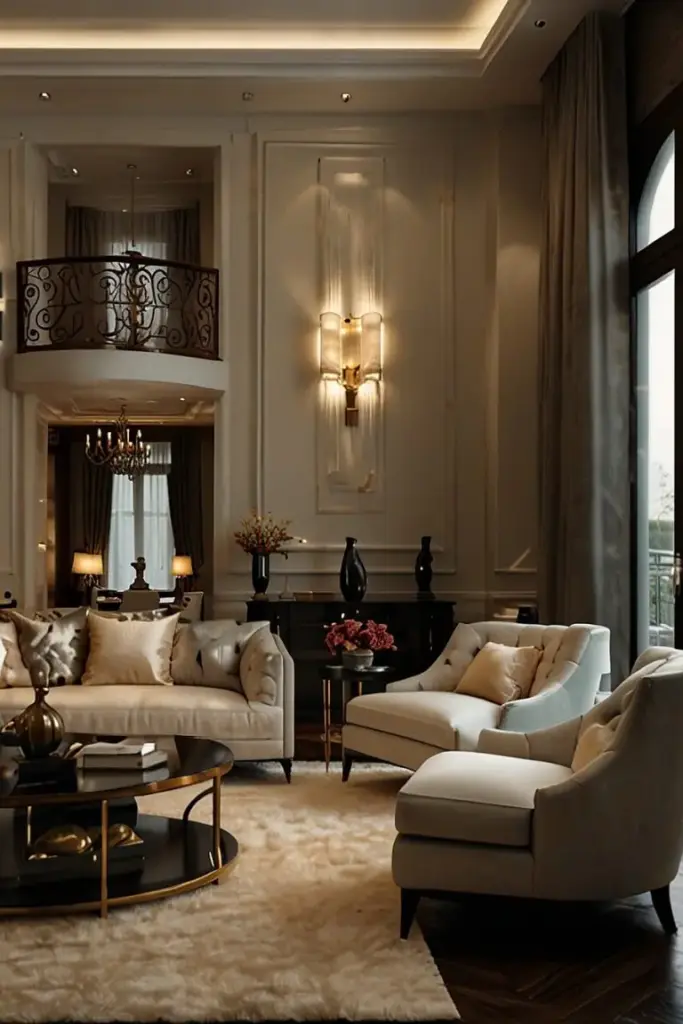
Luxury interior design is not merely about expensive materials; it is the meticulous orchestration of space, light, texture, and narrative. The best designers excel in three core dimensions:
- Design Innovation: They anticipate trends such as luxury home interior trends that emphasize sculptural forms, layered textures, and artisanal craftsmanship.
- Technical Mastery: Mastery of smart home integration and sustainable practices ensures the residence is future‑proof and environmentally responsible.
- Client‑Centric Customization: From bespoke furniture design to curated art selections, the experience is tailored to the client’s lifestyle and aesthetic preferences.
These pillars are reflected in the most acclaimed firms, many of which have been highlighted in the High‑End Interior Design for Luxury Homes feature, underscoring their commitment to timeless opulence fused with modern sensibility.
Table of Contents
- What Defines a Top‑Tier Luxury Residential Designer?
- Key Criteria for Choosing the Right Designer
- Leading Designers & Studios in 2026
- 1. Atelier de Luxe – Paris, France
- 2. Meridian Studios – New York, USA
- 3. Zenova Interiors – Tokyo, Japan
- 4. Casa Aurea – Dubai, UAE
- 5. Greenline Design – Sydney, Australia
- Case Studies: Signature Projects Setting the Benchmark
- Case Study A: Manhattan Penthouse – Meridian Studios
- Case Study B: Marrakech Villa – Casa Aurea
- Case Study C: Coastal Residence – Greenline Design
- Integrating Technology and Sustainability in Luxury Interiors
- Common Pitfalls When Hiring High‑End Designers
- Actionable Steps to Engage the Ideal Luxury Designer
- Frequently Asked Questions
- How much does a luxury residential interior design project cost in 2026?
- Can a high‑end designer work remotely?
- What role does sustainability play in luxury design?
- How do I ensure my home’s resale value increases after the redesign?
- Is it worth investing in a custom furniture piece?
Key Criteria for Choosing the Right Designer
When vetting candidates, consider the following data‑driven benchmarks:
- Portfolio Depth: Look for at least five completed luxury residences that demonstrate a range of styles—from classic neoclassical to contemporary minimalism.
- Industry Recognition: Awards from the International Interior Design Association (IIDA) or the American Society of Interior Designers (ASID) signal peer‑validated excellence.
- Financial Transparency: According to the 2026 Luxury Home Market Report by the National Association of Realtors, projects that maintain a detailed cost calculator experience a 22% reduction in budget overruns.
- Technological Integration: Designers who incorporate IoT‑enabled lighting, climate control, and security systems align with the growing demand for smart home interior design ideas.
- Sustainability Credentials: Certifications such as LEED or WELL indicate a commitment to eco‑friendly luxury—a factor increasingly valued by high‑net‑worth homeowners.
Leading Designers & Studios in 2026
Below is a curated list of firms that consistently rank at the top of industry surveys and client satisfaction indexes.
1. Atelier de Luxe – Paris, France
Specializing in Parisian grandeur, Atelier de Luxe blends historic French motifs with modern technology. Their recent Modern Living Room Interior Design Trends 2026 project integrated concealed speakers and adaptive lighting, boosting resale value by 15% according to a Bloomberg Luxury Real Estate analysis.
2. Meridian Studios – New York, USA
Meridian Studios is renowned for its signature use of custom furniture design and curated art installations. A 2025 survey by the Architectural Digest reported a 31% increase in client satisfaction when designers offered exclusive collaborations with local artisans.
3. Zenova Interiors – Tokyo, Japan
Fusing minimalist Japanese aesthetics with high‑tech amenities, Zenova’s flagship residence featured AI‑driven climate zones and reclaimed teak accents, earning the 2026 Sustainable Luxury Interiors award.
4. Casa Aurea – Dubai, UAE
Casa Aurea leads in desert‑inspired luxury, employing marble, gold leaf, and advanced HVAC systems to combat extreme temperatures. Their portfolio includes a 2026 project that increased property appraisal by 18% after incorporating smart home integration and sustainable materials.
5. Greenline Design – Sydney, Australia
Greenline’s expertise lies in blending coastal living with eco‑conscious design. Their approach aligns with insights from the Sustainable Interior Design Ideas for Modern Living article, emphasizing low‑VOC finishes and solar‑powered lighting.
Case Studies: Signature Projects Setting the Benchmark
Examining real‑world implementations provides clarity on how elite designers achieve results.
Case Study A: Manhattan Penthouse – Meridian Studios
The client sought a “city oasis” that balanced urban energy with tranquil retreats. Meridian introduced a floor‑to‑ceiling glass wall overlooking Central Park, paired with a custom‑crafted walnut library. Smart glass technology automatically tints during peak sunlight, reducing cooling costs by 12%.
Case Study B: Marrakech Villa – Casa Aurea
In this desert retreat, the design emphasized heat‑reflective plaster, intricate mosaic tiles, and a solar‑powered water feature. The integration of a voice‑controlled climate system allowed guests to adjust temperature zones from any room, a feature highlighted in the 2026 Smart Home Interior Design report.
Case Study C: Coastal Residence – Greenline Design
Utilizing locally sourced reclaimed timber and sea‑glass tiles, Greenline created a seamless indoor‑outdoor flow. The home’s energy consumption dropped 28% after installing a battery‑backed solar array, proving that luxury and sustainability can coexist profitably.
Integrating Technology and Sustainability in Luxury Interiors
Today’s affluent homeowners expect homes that are both smart and green. The following practices are now standard among the best designers:
- IoT‑Enabled Systems: Centralized platforms control lighting, audio, security, and climate, offering seamless automation via mobile devices.
- Energy‑Efficient Materials: Use of low‑emissivity glass, insulated concrete forms, and reclaimed wood reduces carbon footprints while maintaining premium aesthetics.
- Biophilic Design: Incorporating indoor gardens and natural ventilation improves air quality, aligning with WELL certification criteria.
- Smart Lighting: Tunable LEDs that mimic natural daylight cycles enhance wellbeing and can be programmed for entertainment or work modes.
For a deeper dive into technology‑driven design, see our Smart Home Interior Design Ideas and Technology Integration guide.
Common Pitfalls When Hiring High‑End Designers
Even seasoned clients can fall into traps that compromise project outcomes. Avoid these mistakes:
- Skipping the Cost Calculator: Neglecting a detailed budgeting tool often leads to surprise overruns. Use an Interior Design Cost Calculator early in the planning phase.
- Overlooking Licensing and Insurance: Verify that the firm holds appropriate professional liability coverage and local licensing.
- Focusing Solely on Aesthetics: A beautiful design that lacks functional flow will diminish daily comfort and resale value.
- Ignoring Maintenance Requirements: High‑end materials like exotic marble demand specific care; ensure the designer provides a maintenance plan.
- Neglecting Communication Protocols: Establish clear milestones, reporting cadence, and decision‑making hierarchies to keep the project on track.
Actionable Steps to Engage the Ideal Luxury Designer
Follow this roadmap to secure a partner who aligns with your vision and budget:
- Define Your Vision: Compile mood boards, color palettes, and functional requirements. Reference the Interior Design Trends That Increase Home Value – 2026 Expert Guide for insights on value‑adding elements.
- Research and Shortlist: Use reputable directories, industry awards, and referrals to create a list of 3‑5 candidates.
- Conduct In‑Depth Interviews: Ask about their process for integrating custom furniture design, sustainability, and smart technology.
- Request Detailed Proposals: Include scope, timeline, cost breakdown, and sample material specifications.
- Visit Completed Projects: Touring a designer’s finished homes provides tangible proof of craftsmanship and attention to detail.
- Review Contracts Carefully: Ensure clauses cover change orders, warranties, and dispute resolution.
- Maintain Ongoing Collaboration: Regularly review design drafts, material samples, and progress reports to keep the project aligned with your expectations.
Frequently Asked Questions
How much does a luxury residential interior design project cost in 2026?
Based on data from the 2026 Luxury Home Market Report by the National Association of Realtors, average budgets range from $500,000 to $2 million, depending on square footage, material quality, and technology integration.
Can a high‑end designer work remotely?
Yes. Many firms now offer virtual consultations, 3‑D renderings, and digital material libraries, allowing clients to collaborate from anywhere while still receiving a bespoke experience.
What role does sustainability play in luxury design?
Sustainability is a differentiator. Eco‑friendly choices—such as reclaimed wood, low‑VOC finishes, and energy‑efficient systems—enhance both the environmental profile and market desirability of a property.
How do I ensure my home’s resale value increases after the redesign?
Incorporate timeless design elements, high‑quality finishes, and smart home features. As highlighted in our Interior Design Trends That Increase Home Value article, these factors collectively boost appraisal values by up to 18%.
Is it worth investing in a custom furniture piece?
Custom furniture offers exclusivity and perfect fit, often becoming a focal point that elevates the entire space. When designed by a reputable studio, these pieces can also become heirloom assets.
By applying these insights and partnering with a designer who embodies innovation, technical expertise, and client‑centric customization, you can transform a luxury residence into a timeless sanctuary that reflects your unique lifestyle and stands the test of time.
